
Blogs
How to Trade In 2026: Strategies & Tips
Dec 29, 2025
How to Trade In 2026: Strategies and Tools for Success
The world of trading is constantly evolving, and as we approach 2026, the landscape promises to be more dynamic than ever. If you're wondering how to trade 2026, the convergence of technology, global economic shifts, and changing investor preferences is reshaping how the market operates. Whether you're a seasoned trader or a beginner looking to make your first investment, understanding the strategies and tools available for investing in 2026 will be crucial to your success. This guide will walk you through the essentials of the 2026 market, offering insights into current trends and practical advice on how to start trading effectively. As the market evolves, so do the opportunities and challenges, making it imperative to stay informed and adaptable. For clarity, when we refer to trading 2026, we mean approaches and strategies that align with the conditions of that year.
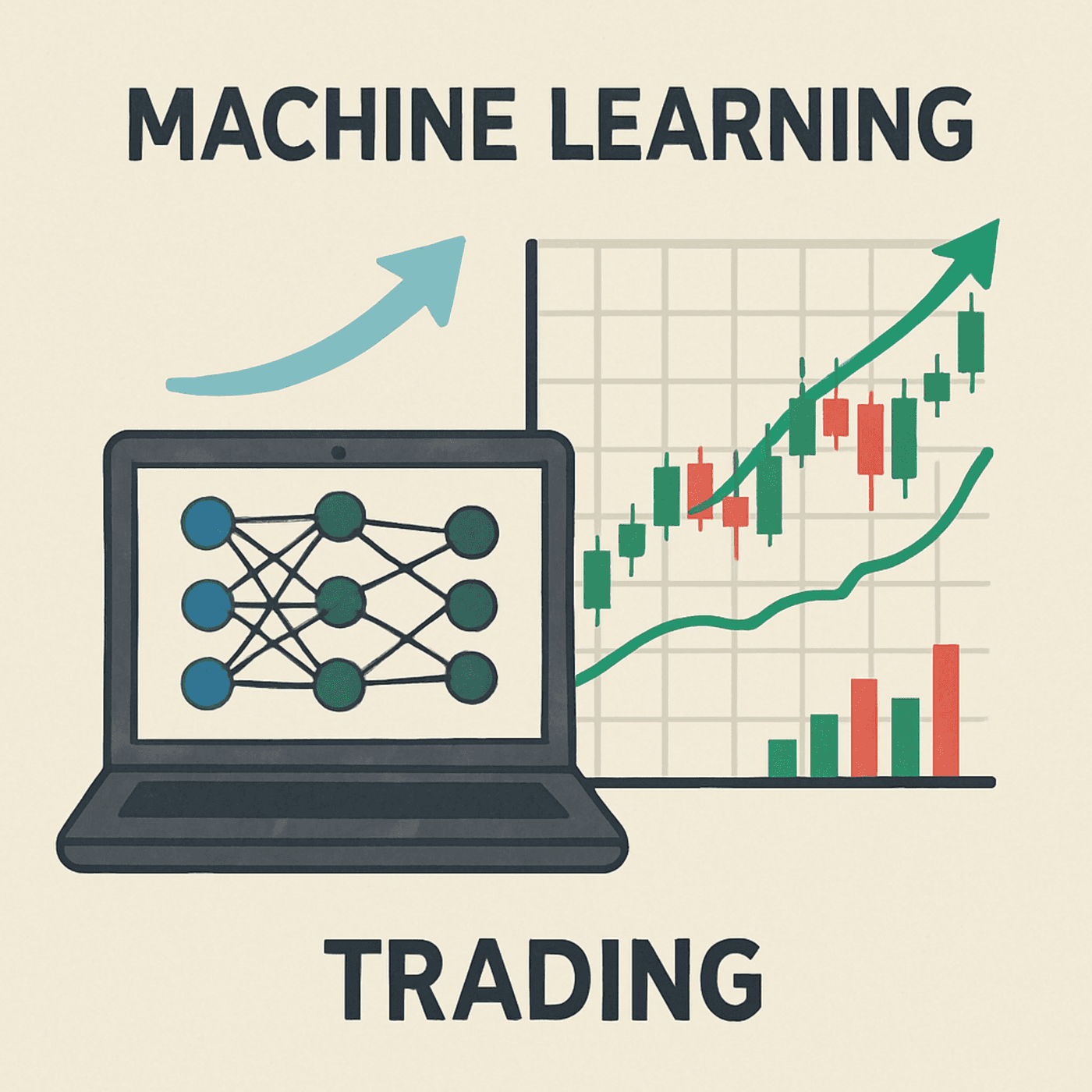
In 2026, trading (often referred to as "trading 2026") is driven by advanced technologies (AI/ML, automation, quantum, blockchain, VR/AR, and CBDCs) and complex global macroeconomic dynamics, with ESG considerations increasingly shaping investment decisions and influencing investment in 2026. This guide covers selecting modern brokerages and tools, defining strategies (day, swing, long-term), and diversifying across traditional and emerging assets like tokenized securities and green bonds. It emphasizes leveraging technology for analysis and execution while prioritizing risk management (e.g., stop-losses) and emotional discipline. Continuous learning and adaptability are crucial for navigating volatility and seizing opportunities.
The market environment in 2026 is characterized by rapid technological advancements and shifting economic conditions. These factors are not only changing the way trades are executed but also how traders analyze markets and make decisions. Let's explore some of the key factors shaping the environment:
Trading platforms are more advanced, integrating artificial intelligence (AI) and machine learning to provide traders with real-time data and insights. These technologies are not just enhancing speed and precision but also enabling more personalized experiences. Automated systems and algorithms are becoming commonplace, allowing participants to execute orders with precision and speed that were previously unimaginable. Furthermore, quantum computing is beginning to make its mark, offering unprecedented computational power to solve complex algorithms and optimize strategies.
Global economic trends, such as inflation, interest rates, and geopolitical tensions, continue to impact the markets. In 2026, the interplay between these factors is more complex, requiring traders to be more astute in their analyses. Understanding these trends is essential for making informed decisions. In 2026, traders must be adept at analyzing macroeconomic data to anticipate market movements. Moreover, the rise of emerging markets and shifts in global economic power are creating new opportunities and risks, necessitating a more global perspective in strategies.
Environmental, Social, and Governance (ESG) factors are increasingly influencing investment decisions. As investors become more conscious of sustainability, companies are under pressure to demonstrate their commitment to ESG principles. Traders in 2026 should consider how companies' sustainability practices impact their financial performance and reputation. This shift is not only ethical but also financially beneficial, as studies have shown that companies with strong ESG practices tend to outperform their peers. Therefore, integrating ESG analysis into strategies is becoming a must for long-term success.
If you're new to the markets, starting can seem daunting. The sheer volume of information and the fast-paced nature of price action can be intimidating. However, with the right approach and mindset, you can navigate the complexities and build a strong foundation for success. A quick framework on how to trade 2026 conditions is to focus on clear strategies, robust risk rules, and iterative practice.
The first step in getting started is setting up a brokerage account with a reputable provider. In 2026, the choice of brokerage can significantly influence your experience. Look for platforms that offer low fees, user-friendly interfaces, and access to a wide range of assets. Many brokers in 2026 also provide educational resources to help you learn the ropes. Additionally, consider the level of customer support and the quality of the analytical tools offered, as these can greatly enhance your efficiency and effectiveness.
Before you start, it's important to define your strategy. Having a clear plan helps in maintaining focus and avoiding impulsive decisions. Here are some popular strategies to consider:
Day Trading: This involves buying and selling assets within the same day to capitalize on short-term price movements. Day trading requires quick decision-making and a thorough understanding of market trends. It also demands a significant time commitment and emotional resilience to handle the fast-paced nature of the markets.
Swing Trading: Swing traders hold assets for several days or weeks, aiming to profit from medium-term price movements. This strategy is less time-intensive than day trading and allows for more in-depth analysis. It offers a balance between the immediacy of day trading and the patience of long-term investing, making it suitable for those with moderate time to dedicate.
Long-term Investing: For those who prefer a hands-off approach, long-term investing involves holding assets for several years. This strategy is based on the belief that markets will generally rise over time, despite short-term fluctuations. Long-term investing requires patience and a strong conviction in the chosen investments, often focusing on fundamental analysis over technical indicators.
Diversification is key to managing risk. By spreading investments across various asset classes, traders can reduce the impact of volatility on their portfolios. By investing in a variety of assets, such as stocks, bonds, commodities, and cryptocurrencies, you can protect your portfolio from significant losses if one asset class underperforms. In 2026, the range of available assets is broader than ever, including innovative instruments like tokenized assets and green bonds, offering new avenues for diversification.
The integration of technology in markets is more pronounced in 2026. As innovation continues, traders have access to more sophisticated tools and data than ever before. Here's how you can leverage technology to enhance your experience:
AI and machine learning algorithms analyze vast amounts of data to identify patterns and predict market movements. These technologies are transforming the way research is conducted and decisions are made. Many platforms now offer AI-driven tools that help participants make informed choices and optimize their strategies. Beyond predictive analytics, AI is also being used for sentiment analysis, providing insights into market psychology and helping traders gauge investor sentiment.
Blockchain technology is revolutionizing the financial industry, providing transparency and security in transactions. Its decentralized nature is reducing the need for intermediaries, lowering transaction costs, and increasing efficiency. Cryptocurrencies remain a popular investment choice, and traders should stay informed about the latest developments in this rapidly changing market. With the introduction of central bank digital currencies (CBDCs), traders must also understand their potential impacts on traditional and crypto markets.
Virtual reality (VR) and augmented reality (AR) technologies are being used to create immersive experiences. These tools allow market participants to visualize data in new ways and make more informed decisions. By simulating environments and scenarios, VR and AR can enhance training and strategy development. As these technologies advance, you can expect even more interactive and engaging ways to analyze data and collaborate with others in the community.
Risk management and emotional control are critical components of success. The ability to manage risk effectively and remain composed under pressure can make the difference between success and failure. Here are some tips to help you manage risk and maintain a level head:
Stop-loss orders automatically sell a security when it reaches a certain price, helping to minimize losses. This tool is crucial for protecting capital in volatile markets. Setting stop-loss orders is a fundamental risk management strategy that can protect your investments from sudden market downturns. It's important to set stop-loss levels carefully, balancing protection against the risk of being stopped out of potentially profitable trades.
Trading can be emotionally challenging, especially during volatile market conditions. Emotions like fear and greed can lead to impulsive decisions and significant losses. It's essential to remain disciplined and stick to your plan, avoiding impulsive decisions driven by fear or greed. Developing a strong mindset involves setting clear goals, maintaining a positive attitude, and learning from both successes and failures.
The market landscape is constantly changing, and successful traders are those who continually learn and adapt. Staying ahead of the curve requires a commitment to ongoing education and skill development. Stay informed about market trends, economic developments, and new technologies to keep your strategies relevant. Engaging with trading communities, attending webinars, and reading industry publications can provide valuable insights and help you refine your approach.
Trading in 2026 offers exciting opportunities for those willing to embrace change and innovation. The intersection of technology and market participation is creating unprecedented possibilities for profit and growth. By understanding the current landscape, setting clear goals, and leveraging technology, you can position yourself for success. Remember, effective risk management and emotional control are just as important as technical skills in achieving your objectives. With the right mindset and approach, you can navigate the complexities of trading in 2026 and build a prosperous investment portfolio.
Embarking on your journey may seem overwhelming, but with the right tools and knowledge, you can achieve your financial goals and thrive in the evolving world of markets. As you gain experience, continue to refine your strategies and adapt to new challenges, ensuring your success in the ever-changing environment. If you're searching for how to trade 2026 guidance, consider this a solid starting point.