
Blogs
Why Algorithmic Trading Evolves: Unlocking Human Edge
Aman Anand
Every experienced algorithmic trader knows that pure automation offers impressive speed, but it cannot always capture subtle market nuances. This topic matters because even the most advanced machine learning models rely on supervised learning from order book data and still demand expert interpretation, not blind trust. By blending human intuition with trading algorithms, you can refine strategy execution and handle unpredictable market events with greater confidence and control.
Table of Contents
Key Takeaways
Point | Details |
|---|---|
Algorithmic Trading as a Tool | View algorithmic trading systems as powerful tools to enhance trading capabilities, not guaranteed profit generators. |
Integration with Human Insight | Combine the computational power of algorithms with human intuition to adapt strategies effectively. |
Adaptability to Market Changes | Keep algorithms updated to navigate evolving markets and emerging asset classes successfully. |
Awareness of Pitfalls | Continuously validate models and avoid common mistakes, such as overfitting and neglecting transaction costs. |
Algorithmic trading fundamentals and misconceptions
Algorithmic trading is a sophisticated approach to financial markets in which computer programs execute trading strategies based on predefined mathematical models and rules. Unlike traditional manual trading, these systems operate with remarkable speed and precision, processing vast amounts of market data in milliseconds to make trading decisions.
The core mechanics of algorithmic trading involve several critical components that distinguish it from conventional trading approaches. Machine learning models in trading algorithms predominantly use supervised learning techniques to predict financial instrument prices, analyzing complex datasets such as order book data. Key characteristics include:
Automated trade execution without direct human intervention
Real-time data processing and analysis
Rapid decision-making based on predefined parameters
Elimination of emotional trading biases
Consistent strategy implementation
However, algorithmic trading is frequently misunderstood. Many traders assume these systems are infallible “money-printing” machines, which is far from reality. Trading algorithms are sophisticated tools that require continuous refinement and human oversight. They excel at pattern recognition and rapid execution, but cannot inherently predict unpredictable market events or black swan scenarios.
Professional traders recognize that algorithmic systems are most effective when they complement human intuition rather than replace it entirely. Intraday algorithmic trading behaviors demonstrate complex interactions between automated systems and human traders, highlighting that market dynamics are not simply about speed but about nuanced strategy adaptation.
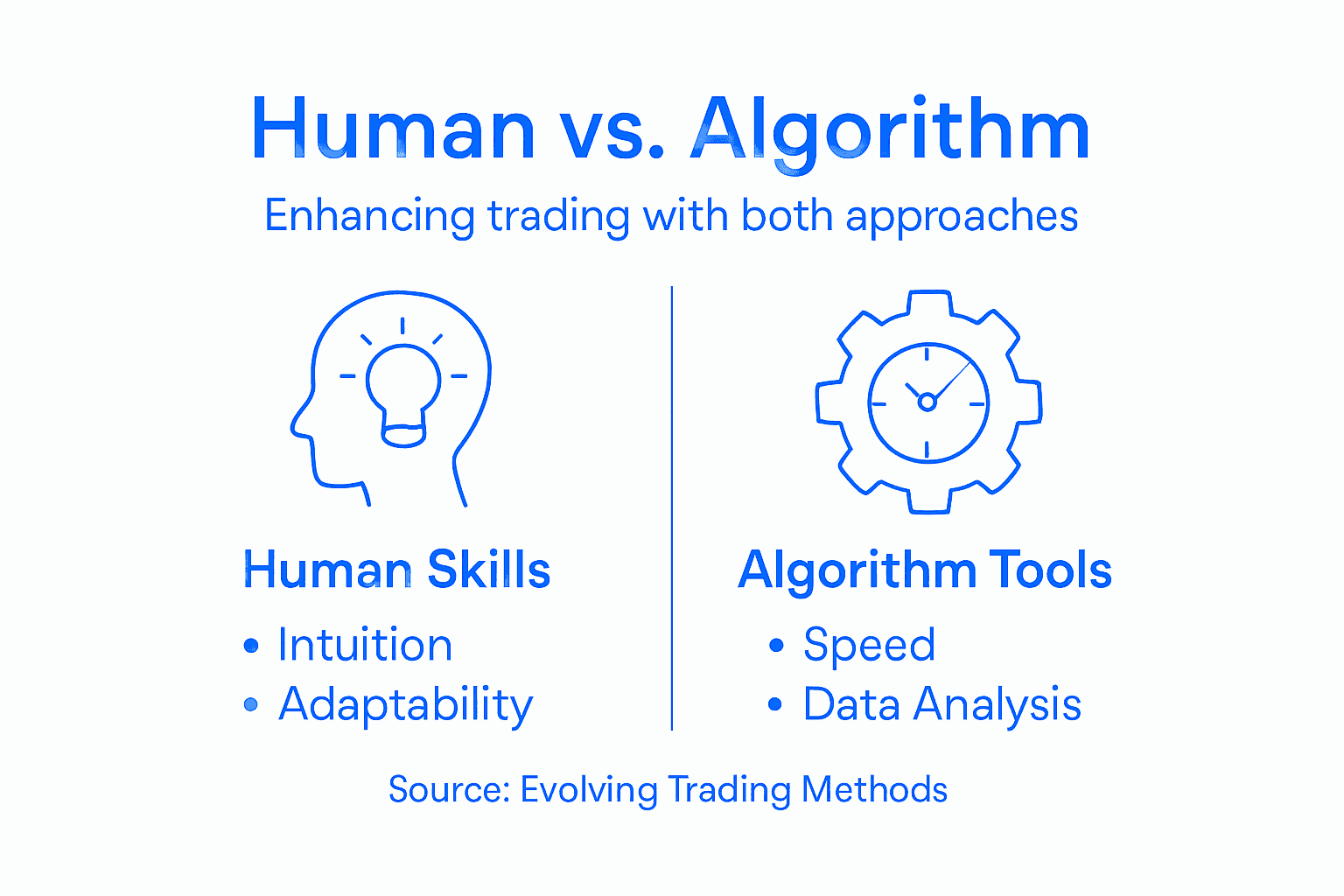
Pro tip: Always maintain a balanced perspective by treating algorithmic trading systems as powerful tools that enhance trading capabilities, not as guaranteed profit generators.
Types and evolution of trading algorithms
The landscape of trading algorithms has transformed dramatically, evolving from simple rule-based systems to sophisticated artificial intelligence-powered platforms that reshape financial markets. Trading algorithm strategies have expanded far beyond basic programmatic instructions, incorporating advanced machine learning techniques that adapt in real-time.
Trading algorithms can be categorized into several distinct types, each with unique characteristics and market applications:
Trend Following Algorithms: Identify and capitalize on market momentum
Statistical Arbitrage Algorithms: Exploit price discrepancies across different markets
Market Making Algorithms: Provide liquidity by continuously quoting buy and sell prices
Sentiment Analysis Algorithms: Analyze social media and news for market sentiment signals
Machine Learning Algorithms: Use predictive models to forecast price movements
The evolutionary trajectory of these algorithms demonstrates increasing complexity. Early algorithmic trading systems relied on simple linear rules and predetermined parameters. Modern trading algorithms leverage sophisticated techniques like deep learning and reinforcement learning, enabling them to analyze massive datasets and make nuanced trading decisions with remarkable precision.
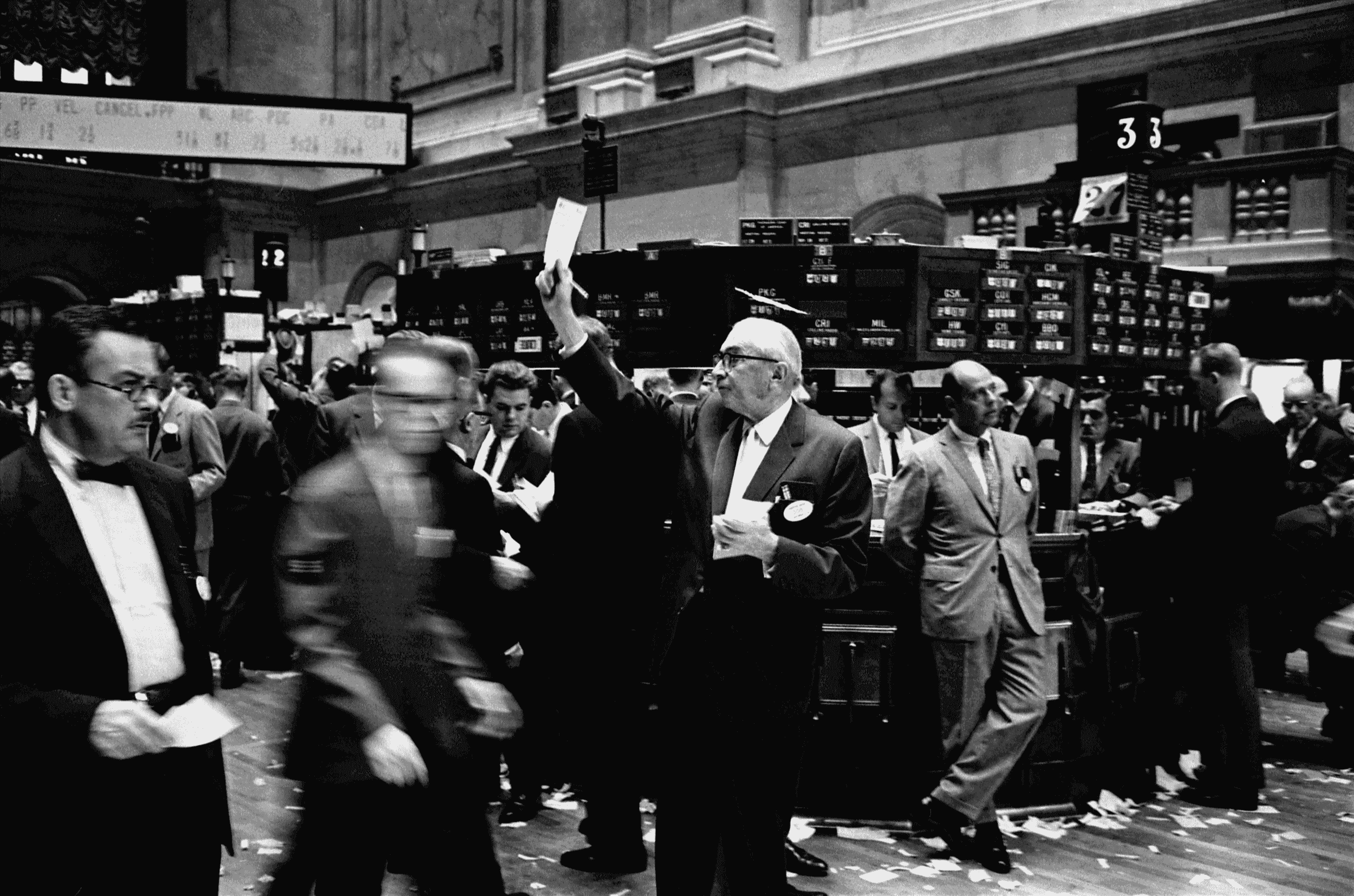
Here’s a summary of how major trading algorithm types differ in their methods and main use cases:
Algorithm Type | Main Technique | Typical Market Role |
|---|---|---|
Trend Following | Momentum analysis | Capture prolonged price movements |
Statistical Arbitrage | Price relationship tests | Profit from temporary market inefficiencies |
Market Making | Bid-ask spread quoting | Provide liquidity, stabilize markets |
Sentiment Analysis | News/social data parsing | React to market mood shifts |
Machine Learning | Predictive modeling | Forecast and adapt to data patterns |
Machine learning models in trading have significantly transformed market dynamics by introducing adaptive strategies that can process and respond to market changes faster than human traders. These advanced systems use supervised learning techniques to analyze intricate order-book data and predict financial instrument prices with unprecedented accuracy.
Pro tip: Continuously update your algorithmic trading knowledge, as the technology evolves rapidly, and staying current is crucial for maintaining a competitive edge.
AI, machine learning, and trader intuition integration
The symbiotic relationship between artificial intelligence, machine learning, and human trader intuition represents a revolutionary approach to financial decision-making. AI integration in trading strategies demonstrates how computational power can be enhanced by human domain expertise, creating a more nuanced and adaptive trading ecosystem.
Key characteristics of this integration include:
Complementary decision-making processes
Leveraging computational speed with human insight
Balancing algorithmic precision and intuitive judgment
Mitigating risks through combined intelligence
Continuous learning and strategy refinement
Modern trading systems recognize that pure algorithmic approaches have inherent limitations. Computational models excel at processing vast datasets and identifying complex patterns, but they often lack the contextual understanding that experienced traders bring through intuition and market knowledge.
Human-AI decision reconciliation reveals a sophisticated dynamic where traders actively interpret and sometimes override AI-generated predictions. This approach allows for critical human intervention, especially in scenarios where machine learning models might miss nuanced market signals or fail to account for unprecedented economic conditions.
Pro tip: Develop a collaborative mindset with AI tools, viewing them as intelligent assistants that augment rather than replace your trading expertise.
Adaptive strategies and emerging asset classes
The financial landscape is undergoing a radical transformation, with algorithmic trading expanding beyond traditional markets into diverse and dynamic asset classes. Adaptive trading systems for emerging markets are revolutionizing investment strategies by developing sophisticated models that can quickly respond to volatile economic conditions.
Key emerging asset classes that are reshaping algorithmic trading include:
Cryptocurrencies: Highly volatile digital assets requiring advanced predictive models
Emerging market equities: Complex markets with unique risk-return profiles
Futures contracts: Derivative instruments with intricate price dynamics
Alternative investments: Including green energy credits, carbon markets, and tokenized assets
Decentralized finance (DeFi) instruments: Blockchain-based financial products
Modern trading algorithms are developing increasingly nuanced approaches to navigating these complex markets. By incorporating advanced machine learning techniques, these systems can dynamically adjust strategies in real-time, analyzing minute-level data streams and cross-asset correlations that human traders might overlook.
Multi-asset algorithmic trading strategies demonstrate remarkable potential for portfolio diversification. These adaptive models leverage sophisticated forecasting techniques, including autoregressive and heteroskedastic components, to develop robust investment strategies that withstand market volatility.
Pro tip: Continuously expand your understanding of emerging asset classes and remain flexible in your algorithmic trading approach, as market dynamics are constantly evolving.
Risk management, transparency, and regulatory shifts
Algorithmic trading is experiencing profound transformations in risk management, driven by increasingly complex regulatory landscapes and technological innovations. AI applications in trading risk management are reshaping how financial institutions approach systemic risks and market integrity.
Key considerations in modern algorithmic trading risk management include:
Enhanced transparency requirements
Real-time risk monitoring systems
Advanced predictive risk modeling
Comprehensive governance frameworks
Adaptive regulatory compliance mechanisms
Regulatory technology is evolving to address the inherent challenges of increasingly sophisticated trading algorithms. The traditional black-box approach is being challenged, with regulators demanding greater visibility into decision-making processes and potential risks of market manipulation.
Market efficiency and algorithmic trading risks underscore a complex landscape in which technological innovation must be balanced with systemic stability. Global financial authorities are developing more nuanced frameworks that encourage innovation while protecting market participants from potential catastrophic failures.
The table below highlights key differences between traditional and AI-driven risk management approaches in algorithmic trading:
Aspect | Traditional Approach | AI-Driven Method |
|---|---|---|
Monitoring Speed | Periodic checks | Real-time, continuous tracking |
Model Adaptability | Manual updates | Automatic retraining with new data |
Transparency Level | Often limited | Enhanced with explainable AI tools |
Regulatory Response | Static compliance measures | Dynamic adjustment to rule changes |
Pro tip: Develop a proactive approach to regulatory compliance by continuously updating your understanding of emerging risk management guidelines and technological standards.
Common pitfalls and maximizing trader’s edge
Algorithmic trading demands a sophisticated approach that goes beyond simple computational strategies. Common mistakes in algorithmic trading reveal critical areas where traders can significantly improve their performance by understanding and mitigating inherent risks.
Key pitfalls that consistently undermine trading strategies include:
Overfitting historical data: Creating models that perform perfectly in backtesting but fail in real markets
Neglecting transaction costs: Ignoring the cumulative impact of fees and slippage
Insufficient risk management: Failing to implement robust position sizing and stop-loss mechanisms
Model stagnation: Not regularly updating and recalibrating trading algorithms
Emotional decision-making: Overriding algorithmic signals based on intuition without systematic validation
Trading algorithms require continuous refinement and expert oversight. Machine learning model validation emphasizes the importance of developing transparent models that can adapt to changing market conditions while maintaining consistent performance.
Maximizing a trader’s edge involves creating a dynamic ecosystem where computational power meets human intelligence. This means developing algorithms that are not just mathematically sophisticated but also flexible enough to incorporate nuanced market insights and rapidly evolving economic landscapes.
Pro tip: Implement a rigorous out-of-sample testing protocol and maintain a trading journal that systematically tracks the performance of both algorithmic and manual interventions.
Unlock Your Trading Potential by Bridging Human Intuition and Algorithmic Precision
The challenge illuminated in “Why Algorithmic Trading Evolves: Unlocking Human Edge” lies in harnessing the nuanced human intuition alongside sophisticated trading algorithms. Many traders struggle with the limitations of pure algorithmic systems that lack contextual understanding and the emotional intelligence that seasoned traders contribute. Key pain points include avoiding emotional decision-making pitfalls, avoiding overfitting, and integrating AI without losing the critical human edge needed to interpret complex and unprecedented market signals.
At Nvestiq, we understand these challenges deeply. That is why we created the world’s first platform designed to comprehend the subtlety of real trader intuition, enabling anyone to transform simple conversations into a proven, quantifiable edge. Our platform offers:
Seamless integration of human insights with algorithmic analytics
Continuous adaptation to evolving market conditions
A dynamic trading ecosystem where intuition and AI work hand-in-hand
Elevate your trading by combining the power of AI with your unique market intuition today. Experience how our platform turns complexity into clarity and helps you stay ahead in the fast-paced world of algorithmic trading. Visit Nvestiq now and unlock the full potential of your edge.
Frequently Asked Questions
What is algorithmic trading?
Algorithmic trading refers to the use of computer programs to execute trading strategies based on predefined mathematical models and rules, allowing for rapid and precise decision-making in financial markets.
How do machine learning models improve algorithmic trading?
Machine learning models enhance algorithmic trading by analyzing complex datasets to predict financial instrument prices and adapt strategies in real-time, significantly improving decision-making accuracy and efficiency.
What are some common pitfalls in algorithmic trading?
Common pitfalls include overfitting historical data, neglecting transaction costs, insufficient risk management, model stagnation, and allowing emotional decision-making to override algorithmic signals.
How can traders effectively integrate human intuition with algorithmic trading systems?
Traders can effectively integrate human intuition by collaborating with AI tools, leveraging computational speed alongside market insights, and maintaining a balanced perspective where algorithms enhance rather than replace human judgment.